
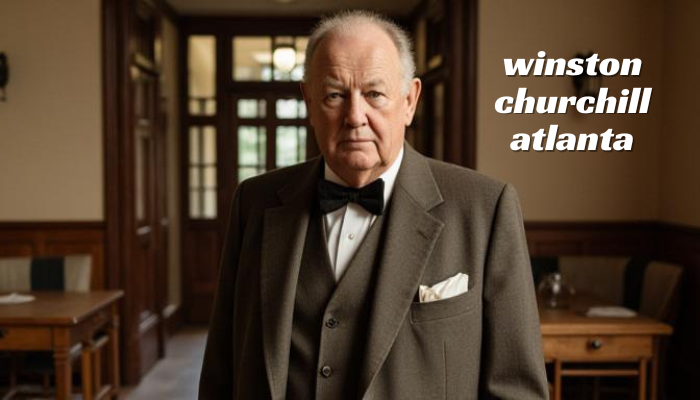
When you think of Winston Churchill, images of wartime Britain, stirring speeches, and cigar smoke likely come to mind. But what connects this iconic British statesman to Atlanta, Georgia? The relationship between Winston Churchill and Atlanta might surprise you, weaving through history, architecture, education, and cultural memory in ways that continue to resonate today.
The Historical Context of Churchill’s American Ties
Winston Churchill maintained a lifelong fascination with the United States. His mother, Jennie Jerome, was American, giving him a personal connection to the country that would become Britain’s most crucial ally during World War II. While Churchill’s visits to America are well documented, his indirect connections to Atlanta tell a compelling story about how his influence spread throughout the American South.
Churchill visited the United States numerous times throughout his life, delivering speeches, meeting with President Franklin D. Roosevelt, and strengthening the Anglo-American alliance that would prove vital during the darkest days of World War II. Though he never made an official state visit to Atlanta, his presence has been felt in the city through various commemorations, educational institutions, and historical societies.
Churchill in Atlanta’s Educational Landscape
Atlanta’s academic institutions have long recognized Churchill’s contributions to Western civilization and democratic values. Several schools and universities in the Atlanta metropolitan area have incorporated Churchill’s writings, speeches, and leadership principles into their curricula.
The study of Churchill’s wartime leadership has become a staple in history and political science programs at universities throughout Atlanta. Students analyze his rhetorical strategies, decision-making processes during crisis, and his role in shaping the post-war world order. His famous speeches, including “We Shall Fight on the Beaches” and “Their Finest Hour,” serve as masterclasses in persuasive communication and leadership under pressure.
Libraries across Atlanta maintain extensive Churchill collections, offering residents access to biographies, his own written works, and historical analyses of his impact on world events. These resources make Churchill’s wisdom accessible to new generations of Atlantans interested in history, leadership, and international relations.
Architectural and Memorial Tributes
Atlanta’s appreciation for historical figures extends to physical commemorations, and Churchill has not been forgotten. Various establishments throughout the city have adopted his name, paying homage to his enduring legacy.
British-themed establishments in Atlanta often feature Churchill prominently in their decor and naming. Pubs, restaurants, and clubs have incorporated his image, quotes, and memorabilia, creating spaces where patrons can appreciate both British culture and the statesman’s remarkable life story.
The Churchill motif in Atlanta represents more than mere decoration. It symbolizes the enduring friendship between the United States and the United Kingdom, a relationship that Churchill himself worked tirelessly to strengthen. These establishments serve as informal gathering places where history enthusiasts can discuss Churchill’s impact while enjoying a pint or a meal.
Churchill’s Influence on Atlanta’s Business Community
The business community in Atlanta has long drawn inspiration from Churchill’s leadership principles. His famous quote, “Never, never, never give up,” has become a mantra for entrepreneurs and corporate leaders facing challenges in the competitive Atlanta market.
Local business organizations and leadership development programs frequently reference Churchill’s example when teaching resilience, strategic thinking, and effective communication. His ability to rally a nation during its darkest hour provides powerful lessons for business leaders navigating economic downturns, market disruptions, and organizational challenges.
Atlanta’s thriving convention and conference industry has hosted numerous events focused on Churchill’s leadership legacy. Speakers and consultants use his example to illustrate timeless principles of management, crisis communication, and inspirational leadership that remain relevant in today’s business environment.
The Role of Historical Societies
Historical organizations in Atlanta play a crucial role in preserving and promoting Churchill’s legacy. The Atlanta History Center and various specialized societies have organized exhibitions, lectures, and discussion groups centered on Churchill’s life and times.
These educational programs help Atlantans understand Churchill not just as a distant historical figure but as a leader whose decisions directly affected American history. His partnership with President Roosevelt, his strategic vision for defeating Nazi Germany, and his warnings about Soviet expansion all had profound implications for the United States and, by extension, Atlanta itself.
Book clubs and reading groups throughout Atlanta regularly select Churchill biographies and memoirs for discussion. Recent works by historians like Andrew Roberts and Erik Larson have sparked renewed interest in Churchill’s personal life, political career, and complex character, prompting thoughtful conversations among Atlanta readers.
Churchill and Atlanta’s Military Heritage
Atlanta’s strong military tradition creates natural connections to Churchill’s legacy as a wartime leader. The city’s proximity to Fort Benning (now Fort Moore) and other military installations means many residents have personal or family connections to the armed forces.
Veterans’ organizations in Atlanta often commemorate Churchill’s leadership during World War II, recognizing how his determination and strategic partnership with American military leaders contributed to Allied victory. Memorial Day and Veterans Day events sometimes feature readings of Churchill’s speeches or discussions of his military strategies.
The study of Churchill’s military decisions provides valuable lessons for military professionals stationed in or near Atlanta. His combination of political acumen and military strategy, his willingness to take calculated risks, and his ability to inspire troops and civilians alike offer enduring examples for military leadership education.
Cultural Events and Celebrations
Atlanta’s diverse cultural calendar occasionally features events celebrating British heritage, and Churchill often takes center stage during these celebrations. British expat communities in Atlanta organize gatherings that honor significant figures from British history, with Churchill consistently ranking among the most celebrated.
These events might include dramatic readings of Churchill’s speeches, screenings of films about his life (such as “Darkest Hour” or “The Crown”), and discussions about his continuing relevance. They provide opportunities for both British expatriates and American Anglophiles to connect over shared appreciation for Churchill’s contributions to history.
Academic symposiums held in Atlanta sometimes focus on Churchill’s role in shaping the modern world. Scholars from universities across the region gather to present research, debate interpretations of Churchill’s decisions, and explore newly discovered documents that shed light on his thinking and motivations.
Churchill’s Literary Legacy in Atlanta
As a Nobel Prize-winning author, Churchill’s literary accomplishments resonate strongly in Atlanta’s vibrant literary community. His multi-volume history “The Second World War” and his biographical work “Marlborough: His Life and Times” demonstrate that Churchill was not merely a politician but a serious historian and writer.
Book festivals and literary events in Atlanta have featured sessions dedicated to Churchill’s writing. Participants explore his prose style, his approach to historical narrative, and his ability to craft memorable phrases that entered the English language as permanent fixtures.
Local writing groups and authors’ organizations sometimes use Churchill as an example of someone who balanced multiple demanding careers simultaneously. He managed to produce an enormous body of written work while serving in Parliament, leading his nation through war, and engaging in painting as a hobby. This multifaceted achievement inspires Atlanta writers pursuing their own creative goals alongside other professional responsibilities.
The Modern Relevance of Churchill’s Ideas
Contemporary Atlanta continues to find relevance in Churchill’s ideas and principles. In an era of political polarization and global uncertainty, his calls for unity, resilience, and democratic values resonate with many residents.
Discussion groups and civic organizations in Atlanta examine how Churchill’s approaches to leadership might apply to current challenges. His emphasis on clear communication, his ability to build coalitions, and his unwavering commitment to democratic institutions offer potential guidance for addressing today’s complex problems.
Educational programs aimed at young people in Atlanta sometimes use Churchill’s early failures (including his disastrous Gallipoli campaign during World War I) to teach lessons about resilience and learning from mistakes. His eventual rise to become one of history’s most celebrated leaders demonstrates that setbacks need not define one’s ultimate legacy.
Churchill in Popular Culture and Media
Atlanta’s media landscape, including its film and television production industry, has contributed to keeping Churchill’s image alive in popular culture. The city’s emergence as a major production hub has seen various historical dramas filmed in the area, some touching on World War II themes where Churchill plays a role.
Local theaters in Atlanta have staged plays about Churchill’s life, including one-man shows that capture his wit, determination, and complexity. These performances bring history to life for audiences who might not otherwise engage deeply with historical figures from the past century.
Podcasts produced in Atlanta occasionally feature episodes about Churchill, exploring different aspects of his life and legacy. History podcasters based in the city have interviewed Churchill scholars, discussed his most famous speeches, and examined controversies surrounding his policies and decisions.
The Special Relationship and Atlanta
Churchill coined the term “Special Relationship” to describe the unique bond between the United States and the United Kingdom. This concept has particular resonance in Atlanta, a city with growing international connections and a significant British business presence.
British companies operating in Atlanta often reference this special relationship when explaining their presence in the American market. The historical ties that Churchill worked to strengthen have facilitated modern economic partnerships, with Atlanta serving as a southeastern hub for British investment and trade.
Sister city programs and international exchange initiatives connect Atlanta with communities in the United Kingdom, continuing the tradition of Anglo-American friendship that Churchill championed. Students, professionals, and cultural ambassadors travel between Atlanta and British cities, strengthening bonds that transcend politics and commerce.
Preserving History for Future Generations
Museums and historical preservation organizations in Atlanta recognize the importance of teaching younger generations about World War II and the leaders who shaped its outcome. Churchill’s story forms an essential part of this educational mission.
Interactive exhibits and digital resources make Churchill’s legacy accessible to tech-savvy young people. Virtual reality experiences, online archives, and social media campaigns bring his speeches and historical context to life in ways that engage modern audiences.
Schools throughout the Atlanta area include Churchill in their history curricula, ensuring that students understand his role in defending democracy during its greatest 20th-century crisis. Teachers use his example to illustrate broader themes about courage, leadership, and the importance of standing up for principles even when doing so seems difficult or unpopular.
Conclusion: A Lasting Legacy
The connections between Winston Churchill and Atlanta may not be immediately obvious, but they run deeper than many realize. Through educational institutions, cultural organizations, business communities, and individual enthusiasts, Churchill’s legacy continues to influence and inspire Atlantans.
His principles of resilience, clear communication, strategic thinking, and unwavering commitment to democracy remain as relevant today as they were during the dark days of World War II. Atlanta’s embrace of Churchill’s legacy reflects the city’s appreciation for history, leadership, and the enduring bonds between nations that share common values.
Whether through academic study, cultural celebration, business inspiration, or simple appreciation for a remarkable historical figure, Winston Churchill’s presence in Atlanta demonstrates how great leaders transcend their own time and place. Their ideas, examples, and achievements continue to resonate across generations and geography, offering guidance and inspiration to all who take the time to learn from them.
As Atlanta continues to grow and evolve as a major American city with global connections, the lessons from Churchill’s life remain valuable touchstones. His story reminds us that leadership matters, that words have power, that courage can change history, and that the special relationship between nations built on shared values can weather any storm.
Read also: Tracie Lane Duke Profile: FansViewer Analysis and Career