
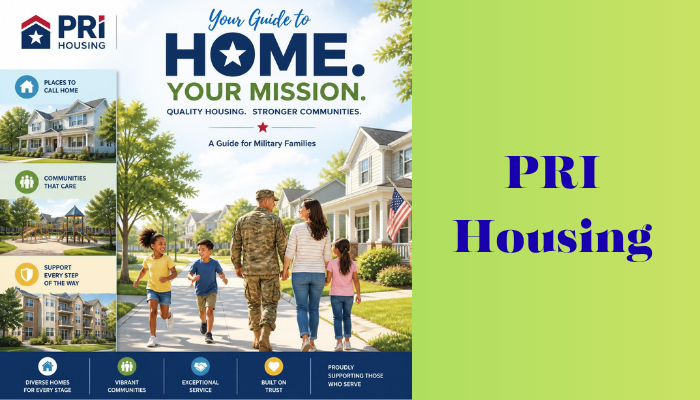
Finding quality housing as a military family comes with unique challenges. Frequent relocations, varying base locations, and the need for immediate availability make traditional housing searches complicated. This is where PRI housing steps in as a solution designed specifically for military personnel and their families.
PRI, which stands for Privatized Residential Infrastructure, represents a significant shift in how military housing operates across the United States. This comprehensive guide will walk you through everything you need to know about PRI housing, helping you make informed decisions about your family’s living arrangements.
What Exactly Is PRI Housing?
PRI housing emerged from the Military Housing Privatization Initiative (MHPI), a program Congress authorized in 1996. The initiative aimed to improve the quality and quantity of military housing by partnering with private sector companies. Rather than relying solely on government funding and management, the Department of Defense collaborates with private firms to build, renovate, and maintain housing communities.
These private partners invest their own capital alongside government resources, creating modern housing developments that meet contemporary living standards. The arrangement benefits everyone involved: military families get better homes, private companies earn returns on their investments, and the government reduces its direct financial burden.
The Evolution of Military Housing
Before privatization, military housing often suffered from outdated facilities, insufficient maintenance budgets, and long waiting lists. Many service members chose to live off-base simply because on-base options failed to meet their families’ needs.
The privatization initiative transformed this landscape dramatically. Private companies brought fresh capital, professional property management expertise, and a customer-service mindset that contrasted sharply with traditional bureaucratic approaches. Today’s PRI housing communities often feature amenities and quality standards comparable to civilian developments.
Key Benefits of Choosing PRI Housing
Financial Predictability
One of the most attractive aspects of PRI housing is financial transparency. Your Basic Allowance for Housing (BAH) typically covers your rent entirely, eliminating surprise costs. This arrangement simplifies budgeting and removes the stress of finding affordable housing in expensive markets near military installations.
Community Connection
Living in PRI housing means your neighbors understand military life. They’ve experienced deployments, relocations, and the unique rhythms of service life. This shared understanding creates supportive communities where families help each other through challenges.
Convenient Base Access
PRI housing communities are located on or immediately adjacent to military installations. This proximity reduces commute times, saves fuel costs, and makes it easier for service members to respond quickly when duty calls. Children can easily access on-base schools, and families enjoy convenient shopping at commissaries and exchanges.
Maintenance Support
Private management companies typically offer responsive maintenance services. Most PRI housing providers operate 24/7 maintenance hotlines for emergencies and schedule routine repairs promptly. This professional approach contrasts favorably with the sometimes sluggish maintenance response times that plagued older government-managed housing.
Family-Friendly Amenities
Modern PRI communities often include playgrounds, community centers, fitness facilities, and green spaces designed with military families in mind. These amenities enhance quality of life and provide safe environments where children can play and families can gather.
How the Application Process Works
Applying for PRI housing follows a relatively straightforward process, though specific steps may vary slightly depending on the installation and management company.
Initial Eligibility Verification
First, you’ll need to verify your eligibility. Active-duty service members generally receive priority, followed by reserve component members on active orders, and then retirees (when available). Each installation maintains specific eligibility criteria, so contact the housing office early in your planning process.
Documentation Requirements
Prepare essential documents before starting your application. You’ll typically need:
- Military identification for all family members
- Orders to your new duty station
- Recent Leave and Earnings Statement (LES)
- Proof of pet ownership and veterinary records (if applicable)
- References from previous landlords or commanders
Submitting Your Application
Most PRI housing providers now offer online application portals, streamlining the submission process. You’ll complete forms detailing your family size, preferences, and special requirements. Be thorough and accurate to avoid delays.
Wait Times and Assignments
Wait times vary significantly based on location, time of year, and available inventory. Popular installations may have waiting lists, while others offer immediate availability. The housing office will assign you a home based on your rank, family size, and availability.
Understanding Your Lease Agreement
PRI housing leases differ from typical civilian rental agreements in important ways. Take time to read and understand your lease thoroughly before signing.
Lease Duration and Flexibility
Your lease typically remains valid as long as you’re stationed at that installation. When you receive new orders, you can terminate the lease without penalty by providing proper notice and documentation. This flexibility accommodates the military lifestyle in ways civilian leases cannot.
Rent Payment Process
In most cases, your BAH transfers directly to the housing provider, and you won’t handle rent payments manually. However, if your BAH exceeds the rent amount, you’ll receive the difference. Conversely, if rent exceeds your BAH (rare but possible), you’ll pay the difference out of pocket.
Utility Responsibilities
Utility arrangements vary by community. Some PRI housing includes all utilities in the rent, while others require residents to establish and pay for some services. Clarify these details before moving in to budget appropriately.
Pet Policies
Many PRI communities welcome pets, recognizing that animals are important family members. However, restrictions typically apply regarding breed, size, and number of pets. Pet deposits or monthly pet rent may also apply. Always disclose pets honestly during the application process.
Quality Standards and Inspections
The Department of Defense maintains oversight of PRI housing to ensure quality standards. Understanding these standards helps you know what to expect and when to voice concerns.
Move-In Inspections
Before taking possession, you’ll conduct a thorough move-in inspection with a housing representative. Document every existing issue, no matter how minor. Take photos and ensure the inspection report accurately reflects the home’s condition. This documentation protects you from being charged for pre-existing damage when you move out.
Ongoing Maintenance Standards
PRI housing must meet specific habitability and safety standards. Issues affecting health, safety, or security should receive priority attention. If maintenance requests go unaddressed, escalation procedures exist to ensure resolution.
Annual Inspections
Most communities conduct annual inspections to verify that homes remain in good condition and that lease terms are being followed. These inspections also identify maintenance needs residents might not have reported.
Common Challenges and How to Address Them
Despite improvements, PRI housing isn’t without challenges. Being prepared helps you navigate potential issues effectively.
Maintenance Response Concerns
While most maintenance requests receive prompt attention, some residents experience delays or inadequate repairs. Document all maintenance requests, take photos of issues, and follow up in writing if problems persist. If the management company doesn’t resolve issues satisfactorily, contact the installation housing office for assistance.
Privacy Considerations
Living in close proximity to neighbors and within a military community means less privacy than you might have in civilian housing. Be mindful of noise levels, and establish good neighbor relationships to prevent conflicts.
Limited Housing Choices
Unlike apartment hunting in the civilian world, PRI housing offers limited choice. You’ll receive an assignment based on availability and your family’s size, with little room for preference regarding specific floor plans or locations within the community.
Varying Quality Between Installations
PRI housing quality varies significantly from one installation to another. Communities managed by different private companies may offer different amenities, maintenance responsiveness, and overall quality. Research your specific installation’s housing reviews when possible.
Comparing PRI Housing to Off-Base Living
Deciding between PRI housing and off-base rentals involves weighing multiple factors unique to your situation.
Financial Considerations
PRI housing offers predictable costs, but living off-base might allow you to pocket unused BAH if you find affordable housing. However, remember to factor in commuting costs, time value, and the hassle of finding and securing civilian rentals.
Lifestyle Preferences
Some families thrive in the close-knit military community environment, while others prefer the separation between work and home life that off-base living provides. Consider your family’s social needs and preferences.
School Quality
If you have school-age children, education quality becomes a crucial factor. Research both on-base schools and local civilian school districts. Sometimes the best educational opportunities lie off-base, making the commute worthwhile.
Lease Flexibility
PRI housing offers unmatched flexibility when you receive orders. Civilian landlords may not be as accommodating, potentially leaving you responsible for rent after you’ve relocated.
Tips for a Positive PRI Housing Experience
Build Community Relationships
Introduce yourself to neighbors soon after moving in. These relationships provide support during deployments, help with childcare, and create lasting friendships.
Communicate Proactively
Don’t wait for small maintenance issues to become major problems. Report concerns promptly and maintain records of all communications with the management company.
Follow Community Rules
Respect quiet hours, parking regulations, and other community standards. Following rules prevents conflicts and helps maintain a pleasant living environment for everyone.
Participate in Community Events
Many PRI communities organize social events, holiday celebrations, and family activities. Participation helps you feel connected and makes the community feel more like home.
Keep Your Home Well-Maintained
Treat your PRI house as you would your own property. Regular cleaning, yard maintenance, and prompt reporting of issues prevent larger problems and ensure you receive your full security deposit back.
The Future of PRI Housing
The military housing landscape continues evolving. Recent years have brought increased scrutiny of PRI housing quality, leading to reforms and improved oversight.
Enhanced Tenant Rights
New regulations have strengthened tenant rights in PRI housing, including the Tenant Bill of Rights that ensures basic protections for military families. These protections address concerns about maintenance, dispute resolution, and quality standards.
Technology Integration
Modern PRI communities increasingly incorporate technology for everything from maintenance requests to community communication. Mobile apps allow residents to report issues, pay rent (when applicable), and access community information conveniently.
Sustainability Initiatives
Newer PRI housing developments emphasize energy efficiency and environmental sustainability. These features reduce utility costs for residents and align with broader Department of Defense environmental goals.
Quality Oversight Improvements
The Department of Defense has implemented more rigorous oversight processes, including regular quality assessments and resident satisfaction surveys. This increased accountability encourages private partners to maintain higher standards.
Making Your Decision
Choosing PRI housing represents a significant decision for your family. Consider these final points as you weigh your options:
Research your specific installation’s housing communities thoroughly. Online reviews from current and former residents provide valuable insights beyond official marketing materials.
Visit the housing office early in your PCS process. Housing specialists can answer installation-specific questions and help you understand current availability and wait times.
Tour available homes when possible. If you’re house-hunting remotely, ask for virtual tours or detailed photos to get a realistic sense of what to expect.
Consider your family’s unique needs. A family with young children might prioritize playground access and community spaces, while a couple might focus on commute times and privacy.
Remember that your housing situation isn’t permanent. Military life means you’ll move again, giving you opportunities to try different arrangements at your next duty station.
Conclusion
PRI housing serves millions of military families, offering a practical solution to the unique challenges of military life. While not perfect, these privatized communities provide quality homes, convenient base access, and supportive environments where military families can thrive.
Understanding how PRI housing works, what to expect, and how to navigate potential challenges empowers you to make informed decisions about your family’s living situation. Whether you choose PRI housing or opt for off-base living, the key is selecting the arrangement that best supports your family’s needs, preferences, and financial goals.
As you prepare for your next move, use this guide as a resource to ask informed questions, set realistic expectations, and create a positive housing experience. Your home should be a refuge from the demands of military service, and with the right preparation and mindset, PRI housing can provide exactly that for your family.